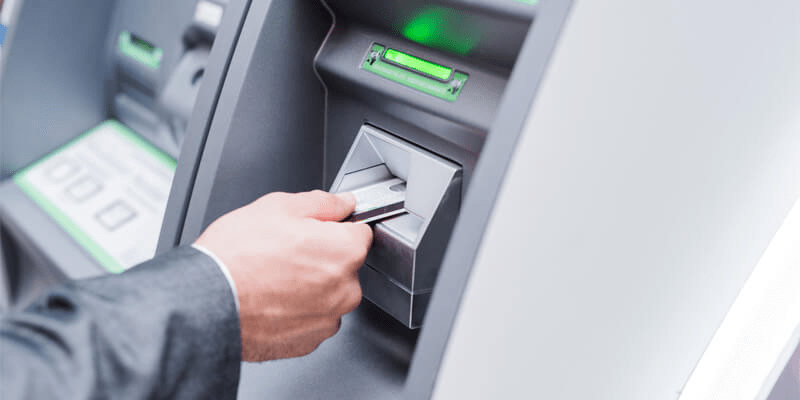
When you walk up to an ATM to withdraw cash, the last thing on your mind is probably cybersecurity. But behind the scenes, a complex web of encryption technology is working to keep your personal and financial information safe. So, what role does encryption play in ATM security? The answer: a vital one.
The Basics of ATM Encryption
Encryption is a cybersecurity method that encodes data to prevent unauthorized access. In the context of ATM security, it’s used to secure sensitive information like your PIN, card number, and transaction details. Without encryption, this data could easily be intercepted by cybercriminals through methods like skimming devices, malware, or even unsecured network connections.
Types of Encryption Used in ATMs
- Point-to-Point Encryption (P2PE): This form of encryption begins the moment you enter your PIN on the keypad. The information is encrypted immediately and stays encrypted until it reaches a secure endpoint, typically the bank’s data processing center.
- End-to-End Encryption (E2EE): E2EE protects data throughout the entire transaction journey—from the ATM to the financial institution—ensuring that no one can tamper with or steal the information along the way.
- Triple DES and AES: These encryption algorithms are industry standards for ATM security. Triple DES (Data Encryption Standard) and AES (Advanced Encryption Standard) help encode sensitive information so that only authorized systems can decrypt and understand it.
Why Encryption Matters for ATM Security
ATM attacks have become increasingly sophisticated. From card skimming to man-in-the-middle attacks, hackers have developed numerous techniques to compromise machines. Encryption is a frontline defense that not only secures user data but also helps financial institutions comply with regulations like PCI DSS (Payment Card Industry Data Security Standard).
Without strong encryption protocols, ATMs would be vulnerable to data breaches, which can result in financial loss and reputational damage for banks and ATM service providers.
The Future of ATM Encryption
As technology evolves, so does the need for stronger security. Biometric verification, chip card technology, and contactless payments are all becoming more common. Each of these innovations still relies on encryption to ensure secure transactions.
Moreover, real-time monitoring and AI-driven fraud detection systems are now being integrated with encryption to proactively identify and stop threats.
Conclusion
So, what role does encryption play in ATM security? It’s not just a technical add-on—it’s the foundation of safe, trustworthy transactions. From the moment you insert your card to when you receive your cash, encryption is working quietly in the background to protect you.
Need Secure and Compliant ATM Services?
At Atlantic Processing, we specialize in cutting-edge ATM solutions with advanced encryption and fraud prevention built-in. If you’re looking to upgrade your ATM network or ensure compliance with the latest security standards, contact us today for a consultation!
This post was written by a professional at Atlantic Processing. Atlantic Processing, headquartered in the Tampa Bay area, is a leading national ATM processing and service provider. We specialize in comprehensive ATM placements, processing, sales, and service, catering to retail and financial institutions across the United States. Our commitment to excellence and customer satisfaction ensures that our clients receive top-tier service and support. Whether you need a new ATM installation, efficient processing solutions, or reliable maintenance, Atlantic Processing is your trusted partner in keeping your ATM operations running smoothly and efficiently. Click here to learn more!
 Bizoniq
Leave a comment