In the dynamic world of financial markets, the tools available to investors and traders have evolved dramatically over the past few decades. Derivatives, once considered complex instruments reserved for institutional investors, have increasingly become accessible to retail traders seeking flexibility, efficiency, and opportunities in both rising and falling markets.
Among these instruments, Contracts for Difference, or CFDs, have emerged as a particularly attractive option for active traders. Understanding why CFDs are gaining popularity requires a closer look at the evolution of derivatives, their unique features, and the advantages they offer in modern trading.
Understanding Derivatives and Their Evolution
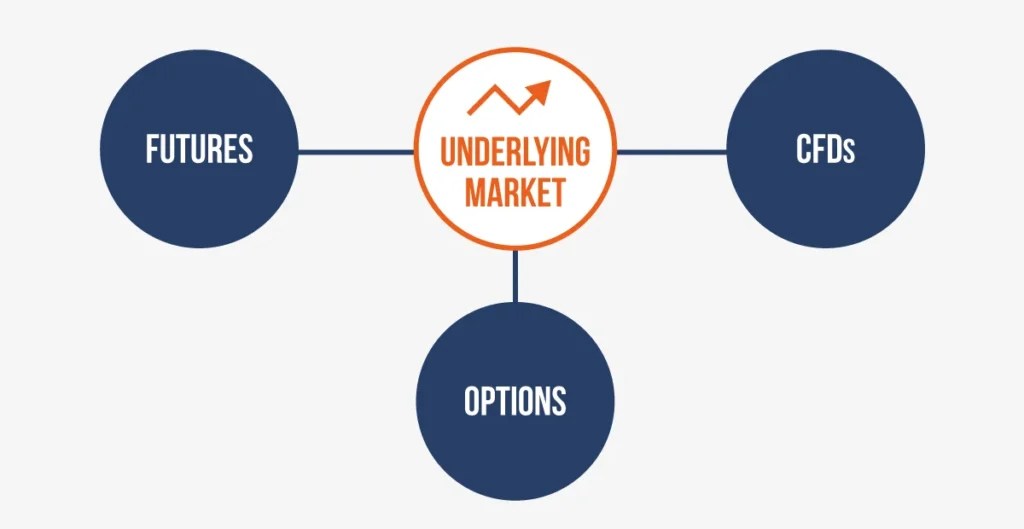
Derivatives are financial instruments whose value is derived from the performance of an underlying asset, such as stocks, indices, commodities, or currencies. Historically, derivatives began as mechanisms for managing risk. Farmers and producers, for example, would use forward contracts to lock in prices for crops and commodities, mitigating the uncertainty of future market fluctuations. Over time, the use of derivatives expanded into futures and options, providing investors with more sophisticated tools for hedging and speculation.
As technology advanced and online trading platforms became more widespread, derivatives trading became more accessible to individual investors. What was once the domain of hedge funds and large banks could now be approached by retail traders with smaller capital, giving rise to a democratized market environment. In this context, CFDs emerged as a versatile derivative that allowed traders to speculate on price movements without owning the underlying asset directly.
What Makes CFDs Attractive for Active Traders
Contracts for Difference offer several features that make them particularly appealing to active traders. One of the most notable is leverage, which allows traders to control a larger position with a relatively small amount of capital. This magnifies both potential profits and risks, enabling efficient use of capital and the possibility of significant returns on short-term trades.
Another advantage of CFDs is the ability to go long or short on an asset. Traditional investing often requires purchasing an asset with the expectation that its value will rise. With CFDs, traders can also profit from falling markets by opening short positions, providing flexibility in volatile market conditions. This ability to react to both upward and downward price movements aligns well with active trading strategies, where timing and market direction are critical.
CFDs also offer access to a broad range of markets through a single platform. Stocks, indices, commodities, and forex can all be traded via CFDs, simplifying portfolio diversification and reducing the need to navigate multiple brokerage accounts. This accessibility allows traders to explore various opportunities, manage exposure across different sectors, and capitalise on global market trends in real time.
Risk Management and Strategic Flexibility
While CFDs offer numerous advantages, they also require careful risk management. Leverage can amplify losses as well as gains, making it essential for traders to set stop-loss orders and define position sizes thoughtfully. Many trading platforms now include built-in risk management tools, helping traders monitor their exposure and maintain discipline in fast-moving markets.
Strategic flexibility is another reason why CFDs are favoured by active traders. Day traders, swing traders, and even those employing algorithmic strategies can benefit from the efficiency and speed of CFD execution. The ability to enter and exit positions quickly, combined with tight spreads and low transaction costs, makes CFDs a practical tool for strategies that rely on short-term price movements.
Education and informed decision-making are key to successful CFD trading. For traders seeking structured guidance, platforms such as Learn to Invest with ADSS provide resources, tutorials, and market insights that empower individuals to approach the market with confidence. Access to expert analysis, trading tools, and educational materials ensures that traders are equipped to make informed decisions rather than relying on speculation alone.
Regulatory Considerations and Transparency
The growing popularity of CFDs has also been accompanied by increased regulatory oversight. Reputable brokers operate under strict financial regulations, ensuring that traders have access to transparent pricing, reliable execution, and protection against counterparty risk. Compliance with regulatory standards not only enhances market integrity but also fosters confidence among retail traders who might otherwise be wary of complex financial instruments.
Transparency in pricing and execution is crucial for active traders who rely on speed and precision. Unlike some derivatives that may involve opaque over-the-counter arrangements, CFDs traded through regulated brokers typically offer real-time pricing, instant execution, and clear visibility into trading costs. This clarity allows traders to focus on strategy rather than being concerned about hidden fees or unexpected market manipulations.
Conclusion
The evolution of derivatives has transformed the landscape of financial markets, moving from simple risk management tools to versatile instruments that cater to both institutional and retail traders. Contracts for Difference stand out in this evolution by offering leverage, flexibility, and access to a wide array of markets, making them particularly suitable for active traders seeking to capitalise on short-term opportunities.
Success in CFD trading relies on education, disciplined risk management, and strategic execution. By leveraging the resources and tools provided by experienced brokers, traders can navigate the complexities of modern markets with greater confidence.
 Bizoniq