Running a successful retail business today is no longer just about having great products or a prime location. Technology, customer expectations, and operational efficiency all play a critical role in sustaining growth. Retail business owners who adapt to advanced systems are better positioned to meet evolving demands and stay competitive.
From streamlining transactions to enhancing customer experiences, the right systems can transform how a store operates. This blog explores the key systems every retail business owner should consider implementing for long-term success. Each system discussed has practical benefits and can make a measurable impact on both revenue and efficiency. Adapting early allows retailers to stay ahead of competitors and future-proof their operations.
Inventory Management Systems
Efficient inventory management is a backbone for retail success, helping avoid stockouts or overstock situations. Modern systems track products in real time, alerting owners when inventory levels are low. They also analyze sales trends to forecast demand, making purchasing more precise and cost-effective.
Integrating inventory systems with point-of-sale platforms streamlines operations and reduces human error. Retailers can also improve customer satisfaction by ensuring popular items are always available. Cloud-based systems allow owners to monitor multiple locations from anywhere. Long-term, these tools reduce waste, save money, and improve overall profitability.
Customer Relationship Management (CRM) Software
CRM software helps retailers understand their customers’ needs, preferences, and buying behavior. By collecting and analyzing data, businesses can personalize marketing campaigns and improve customer loyalty. Automated follow-ups, promotions, and reminders keep customers engaged and coming back.
CRM systems also provide insights into which products or services are most appealing. Staff can use these tools to offer a more tailored in-store experience. Over time, this technology strengthens brand reputation and encourages repeat business. For retail owners, a strong CRM strategy is a critical component of sustainable growth.
Point-of-Sale (POS) Systems
Modern POS systems do far more than just process payments—they integrate inventory, sales, and customer data in one platform. This allows retailers to make informed decisions quickly and reduce manual administrative work. Many POS systems now support mobile payments, gift cards, and digital receipts, providing flexibility for customers. They can generate detailed reports on sales trends, peak hours, and product performance.
Staff efficiency improves as routine tasks become automated, freeing them to focus on customer service. Advanced POS solutions also reduce errors and help with regulatory compliance. For long-term success, having a robust POS system is essential for smooth operations.
Self-Service Machines and Kiosks
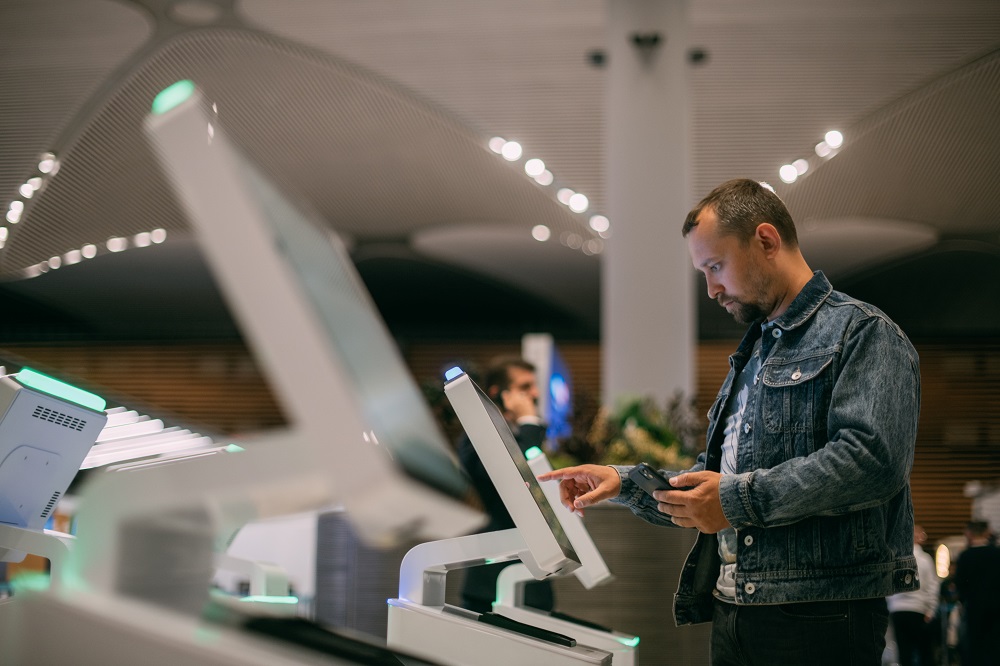
Self-service machines and kiosks have revolutionized the retail experience, providing customers with faster, more convenient transactions. They reduce wait times, improve order accuracy, and free up staff to focus on personalized service. These machines can handle a variety of tasks, from payments to product information, enhancing the overall shopping experience. Many retailers have seen increased sales simply by making checkout and information retrieval more accessible.
Investing in quality kiosks can be seamless, especially when working with a trusted supplier like Financial Equipment Company, which offers advanced solutions for modern stores. Training staff to support and maintain these machines ensures smooth daily operations. Overall, kiosks are a long-term investment that benefits both customers and business efficiency.
Employee Scheduling and Management Tools
Managing staff effectively is crucial for maintaining service quality and controlling labor costs. Scheduling tools automate shift planning, track attendance, and help avoid overstaffing or understaffing issues. These systems can also streamline payroll, track performance, and manage time-off requests efficiently. Employees benefit from self-service options to swap shifts or check schedules.
Retailers gain real-time visibility into labor allocation, ensuring the right number of staff is available at peak hours. Properly implemented, these tools improve employee satisfaction and reduce turnover. Long-term, effective workforce management contributes directly to operational stability and customer satisfaction.
Digital Marketing Platforms
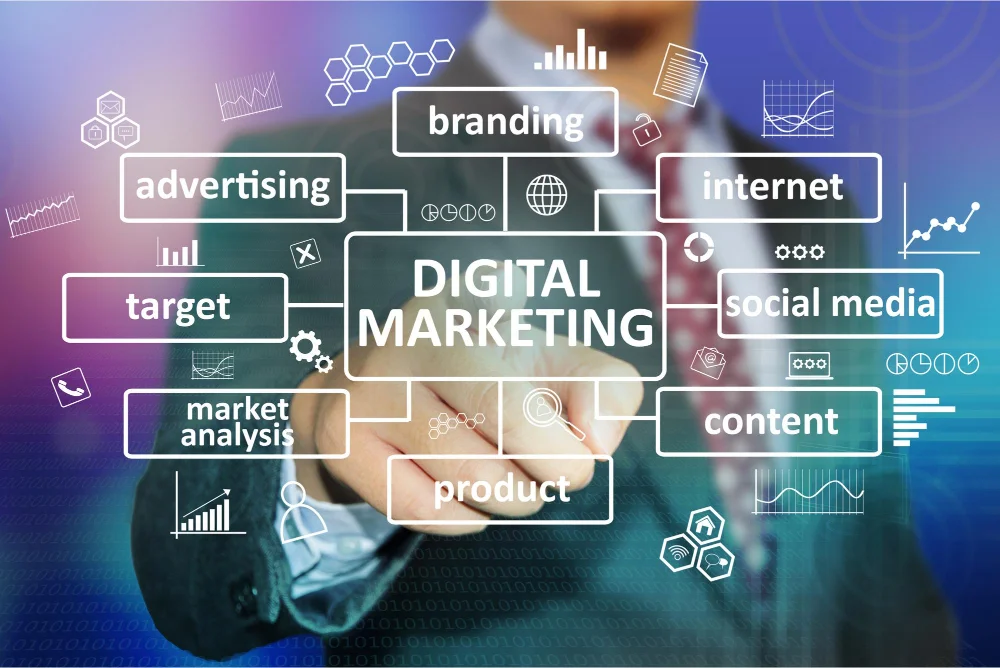
In today’s retail landscape, digital marketing is not optional—it’s necessary for long-term growth. Platforms for email campaigns, social media, and online ads allow retailers to reach target audiences effectively. Analytics tools help track campaign performance and adjust strategies for maximum impact.
Integrating marketing platforms with CRM and POS systems ensures consistent messaging and personalized offers. This approach drives traffic both online and in-store. Regular engagement builds brand loyalty and keeps customers informed of new products or promotions. Retailers who adapt digital marketing strategies stay competitive in an increasingly online-driven marketplace.
Conclusion
Adapting advanced systems is no longer a luxury for retail business owners; it’s a necessity for long-term success. Self-service kiosks, inventory management, CRM software, POS systems, employee scheduling tools, and digital marketing platforms all contribute to operational efficiency and customer satisfaction. Implementing these systems ensures businesses remain agile, responsive, and ready for future challenges.
By investing in technology and training staff to use it effectively, retailers can maintain a competitive edge. Staying proactive in adapting advanced systems ultimately strengthens brand reputation and drives growth. Every retail owner who embraces these solutions positions their business for sustainable success.


 Bizoniq