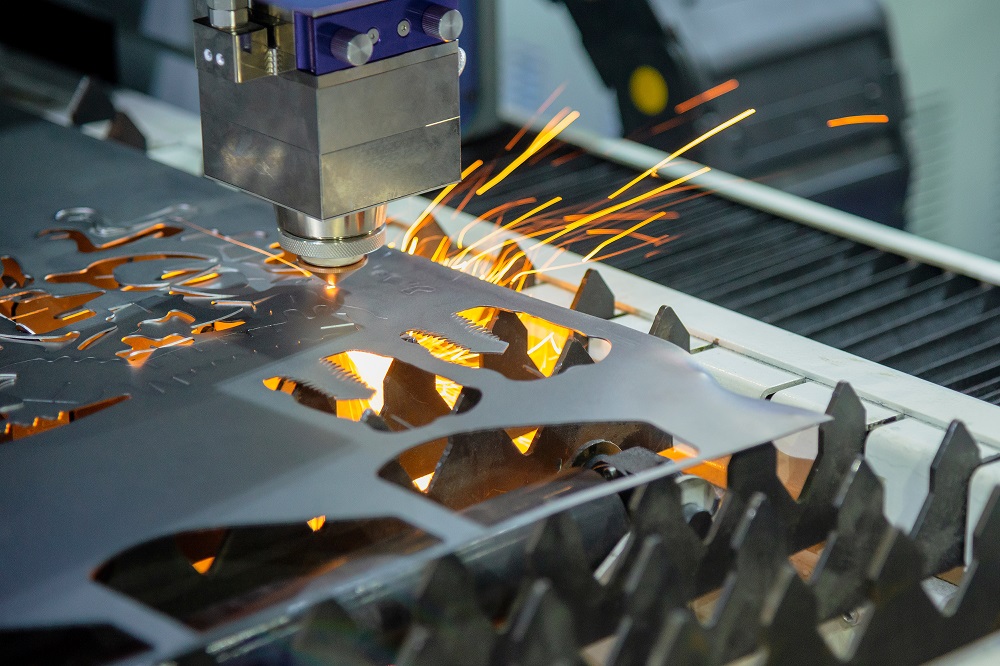
Fiber laser cutting has transformed modern metal fabrication by delivering high-speed and consistent results across a wide range of industries. While the cutting machine is the centerpiece of the process, achieving optimal performance depends on more than the laser itself. Efficient material handling before and after cutting plays a critical role in improving productivity and maintaining accuracy.
Ball and caster decks are an essential part of that process. They make it easier to move and transfer heavy metal sheets with greater control while reducing operator strain and the risk of misalignment or material damage. Beyond simplifying material handling, these systems can help minimize downtime and support more consistent production outcomes.
To learn more about their impact, explore how balls and caster decks can enhance efficiency and overall performance in fiber laser cutting operations by reading on.
Simplifying Material Movement
Large metal sheets are difficult to handle safely, especially in high-throughput fabrication environments where speed and accuracy must work together. Without proper handling systems, operators often rely on dragging, pushing, or repeated lifting, all of which increase fatigue and slow down workflow consistency.
Ball and caster decks, such as those provided by Kietek, address this challenge by enabling smooth, low-resistance movement across the work surface. The rolling mechanism distributes weight evenly, allowing sheets to glide in multiple directions with minimal force. This improved mobility reduces the time required for repositioning and alignment. It also helps prevent workflow interruptions caused by difficult handling or misalignment corrections.
Over time, these small efficiencies compound into faster cycle times and more stable operations during long production runs.
Supporting Accurate Sheet Positioning
Accurate positioning is essential before any fiber laser cutting process begins. Even minor shifts in alignment can lead to dimensional errors, poor edge quality, or unnecessary material waste that affects overall production cost.
Ball and caster decks make fine adjustments much easier by allowing operators to move and position heavy metal sheets with minimal effort and greater control. Their multi-directional movement supports smooth, precise positioning without the need to lift or drag materials, helping maintain accuracy throughout the setup process. This level of control is especially valuable when handling large-format sheets, where even small adjustments can be difficult and time-consuming using traditional material handling methods. As a result, production becomes more predictable, with fewer reworks and better part consistency across batches.
Protecting Material Surfaces
In metal fabrication, maintaining surface integrity is just as important as achieving precise cuts. Many materials enter production with pre-finished or coated surfaces that must remain undamaged to meet quality standards.
Conventional handling methods often introduce scratches, scuff marks, or friction damage caused by dragging sheets across rigid surfaces. Ball and caster decks reduce this risk by minimizing direct sliding contact and replacing it with smooth rolling movement. This gentler handling approach helps preserve the original condition of the material throughout setup and transfer stages. It also reduces the need for secondary finishing processes, which can add time and additional labor to production.
Improving Workplace Safety
Handling large metal sheets manually introduces both physical strain and operational risk. Repeated pushing and repositioning can contribute to fatigue, especially in environments where production demands remain constant throughout the day.
Ball and caster decks reduce the physical effort required to move heavy materials, allowing operators to rely more on controlled guiding rather than forceful handling. This shift not only improves comfort but also reduces the likelihood of sudden movements that can lead to accidents or misalignment.
A more stable handling environment also improves overall workflow discipline. Operators can focus on accuracy and machine coordination rather than compensating for difficult material movement. In the long run, this supports a safer, more sustainable working environment with fewer disruptions and lower risk exposure.
Keeping Production Running Efficiently
A productive fabrication process depends on keeping materials moving efficiently between each stage of production. Delays during material handling can interrupt operations, leaving cutting equipment waiting instead of processing parts.
Ball and caster decks help keep production on schedule by making it easier to transfer and position metal sheets with speed and precision. Instead of manually lifting, dragging, or repeatedly adjusting heavy materials, operators can quickly guide sheets into place and begin the next job with less effort.
Shortening setup and transition times also means fiber laser cutting systems can spend more time cutting and less time idle. Which eventually results in more consistent production schedules and a smoother, better-coordinated workflow across the entire fabrication shop.
Working Efficiently with Fiber Laser Equipment
Material handling systems deliver the most value when they are fully aligned with the performance needs of cutting equipment. Modern fiber laser systems from Westwood Metal Technologies benefit from ball and caster decks, as they reduce setup complexity and improve material readiness before cutting begins. When sheets are easier to position, operators can complete setup steps more efficiently and with fewer adjustments during machine operation.
This integration between handling and cutting processes creates a more synchronized workflow. It reduces unnecessary pauses and ensures that the laser system operates under ideal conditions more consistently throughout production cycles.
Conclusion
Overall, ball and caster decks play a much more significant role in fiber laser cutting operations than simple material transport. They directly influence positioning accuracy, surface protection, operator safety, and overall production flow. When integrated into a well-structured workflow, they can also help create a more controlled and efficient fabrication environment. Combined with reliable fiber laser equipment and optimized shop practices, they contribute to improved productivity and reduced operational friction.
Ultimately, investing in effective material handling is not just about convenience. It strengthens the entire production process from setup to final output, helping manufacturers achieve more consistent and scalable results.