Tag: sustainability

  • Essential Oilfield Equipment Every Operation Needs

    Essential Oilfield Equipment Every Operation Needs

    Oilfield work runs on precision, strength, and the right equipment working together in perfect sync. Every operation, whether large or small, depends on reliable tools that keep production moving safely and efficiently. When each system performs at its best, the entire site becomes more productive and easier to manage.

    Understanding these essential equipment types helps teams stay prepared and confident in the field. Below is a clearer and more engaging look at the must-have tools that keep oilfield operations running strong. Each one plays a role in building safer and more successful outcomes.

    Drilling Rig Systems

    Drilling rigs are the powerhouse that kickstarts every oilfield operation with energy and purpose. They are designed to reach deep underground formations where valuable resources are found. Each rig combines lifting, rotating, and power systems that work together like a well-coordinated team. Modern rigs are built to handle tough environments while maintaining accuracy and control. Operators depend on them to drill safely and efficiently through different ground conditions. Regular upkeep ensures they perform consistently without unexpected delays. Without drilling rigs, there would simply be no way to access underground oil and gas reserves.

    Blowout Preventers (BOPs)

    Blowout preventers are the safety guardians of any drilling operation and are always ready for unexpected pressure changes. They act quickly to seal wells and prevent uncontrolled releases of oil or gas. These systems are engineered with strong materials that can withstand extreme pressure. Their role is crucial in protecting both workers and the environment. Routine testing ensures they are always ready to activate when needed. Different configurations allow them to adapt to various drilling situations. In every sense, they are a key part of keeping operations safe and under control.

    Mud Pumps

    Mud pumps keep the heartbeat of drilling alive by circulating drilling fluid throughout the well. This fluid helps cool the drill bit while carrying rock cuttings back to the surface. They also play a major role in balancing pressure inside the wellbore. Built for heavy-duty performance, mud pumps operate continuously under demanding conditions. Their efficiency directly impacts drilling speed and stability. Operators rely on them to maintain smooth and controlled drilling progress. When working properly, they make the entire drilling process more efficient and reliable.

    Wellhead Equipment

    Wellhead equipment is the strong connection point that sits right at the surface of a well. It helps control pressure and supports the structure of the entire well system. This equipment allows operators to safely monitor and manage production flow. It is built to endure harsh weather and high-pressure conditions without failure. Proper installation and maintenance ensure long-term stability and performance. It also acts as a gateway for other important control systems. In many ways, it is the foundation of safe and controlled oil production.

    Separation Equipment

    Separation equipment helps bring order to what comes out of the ground by dividing oil, gas, and water. This step is essential for making each resource usable and transport-ready. The process relies on natural pressure differences and gravity to separate fluids efficiently. Different types of separators are used depending on production needs. Clean separation improves overall product quality and reduces downstream issues. These systems are usually placed close to production areas for immediate processing. They play a big role in keeping operations smooth and efficient.

    Vacuum Pump Systems

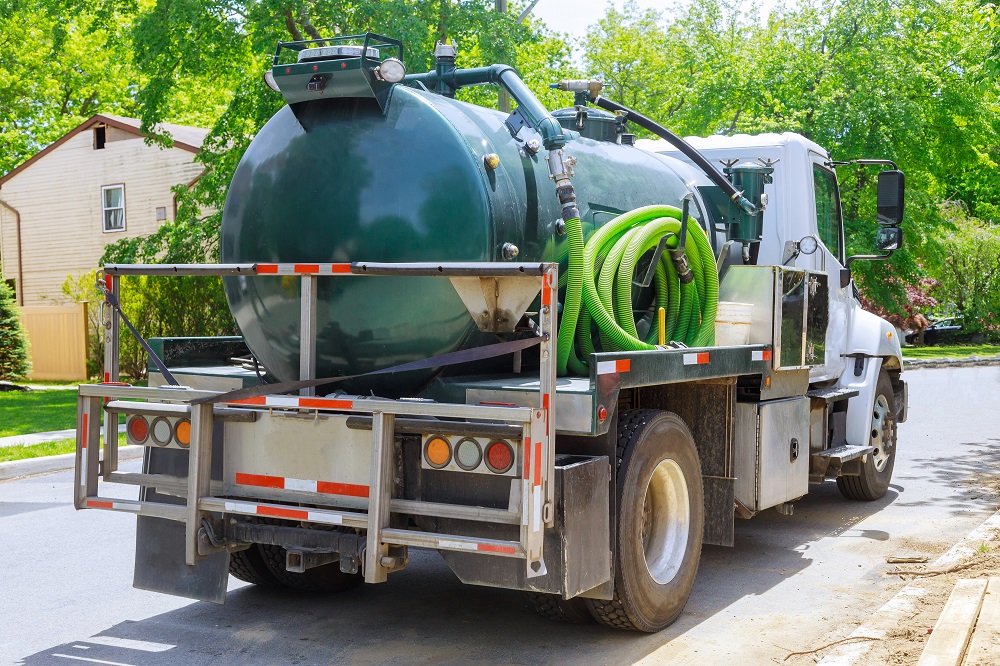
    Vacuum pump systems help maintain controlled pressure levels and support a variety of oilfield processes. They are commonly used for removing gases and improving system efficiency during production. These pumps contribute to cleaner, safer, and more stable operations when properly maintained. In some setups, equipment sourcing and support may involve suppliers such as Watkins Mfg Inc., especially when vacuum pump systems are required for operational needs, including both sales and installation assistance to ensure proper setup and performance. These systems also play a key role in reducing downtime by supporting consistent operational flow. With proper integration, they help extend equipment lifespan and improve overall productivity across industrial applications.

    Storage Tanks

    Storage tanks provide a safe and organized way to hold oil, gas, and other fluids after extraction. They help manage production flow by storing materials before transport or further processing. These tanks are designed with strong materials to ensure safety and durability. Monitoring systems are often included to track levels and prevent overflow. Proper maintenance helps avoid leaks and keeps operations environmentally safe. They also help smooth out production fluctuations during busy operations. In the bigger picture, they keep everything organized and ready for the next step.

    Conclusion

    Oilfield operations are built on teamwork between powerful machines and precise systems working together. Each piece of equipment, from drilling rigs to vacuum pumps, plays a vital role in keeping operations safe and productive. When these tools function properly, they help reduce downtime and improve overall efficiency.

    Understanding how each system contributes makes it easier to manage complex fieldwork with confidence. Strong maintenance habits and proper equipment selection also make a big difference in long-term success. The oilfield industry continues to grow, but these essential tools remain at the heart of every operation. With the right setup, every project becomes more stable, efficient, and ready for success.
  • What You Really Need to Maintain Productive and Stress-Free Farm Operations

    What You Really Need to Maintain Productive and Stress-Free Farm Operations

    Running a farm successfully requires a combination of planning, dependable tools, and the ability to adapt to shifting conditions. Even the most experienced farm owners face challenges, but having the right systems in place makes those challenges far more manageable. Today’s farming environment moves quickly, influenced by technology, market changes, weather patterns, and evolving agricultural practices.

    That’s why creating a strong foundation for your operations is essential for long-term productivity and peace of mind. From reliable equipment to consistent access to farming news, every component plays a vital role in keeping your workflow steady. Understanding what to prioritize can save you time, reduce stress, and keep your farm performing at its best. With a clear approach, you can focus more on growth and less on daily disruptions.

    Efficient Workflow Planning for Daily Farm Success

    Efficient workflow planning is the foundation of a well-structured farm, helping you stay ahead of daily demands instead of constantly reacting to them. It begins with outlining every routine task so you can easily spot delays or inefficiencies that might disrupt your schedule. Creating a structured weekly plan allows you to prioritize critical activities such as feeding, irrigation, and equipment checks in a logical order.

    Many owners find value in grouping similar tasks together to reduce travel time, fuel usage, and unnecessary labor. Planning also involves adjusting routines depending on seasons, crop cycles, and livestock needs to maintain a steady pace throughout the year. While challenges are inevitable, a clear plan makes them far easier to handle and keeps morale high. With organized workflows in place, you gain more control, reduce stress, and create a smoother, more predictable farming environment.

    High-Performance Equipment for Reliable Field Productivity

    High-performance equipment is one of the biggest contributors to a reliable and productive farm, especially when you depend on consistent output. Machines built for durability and efficiency save you from costly downtime and unexpected repairs that interrupt your operations. Choosing the right equipment often means working with reputable suppliers who can help match your needs with the proper models.

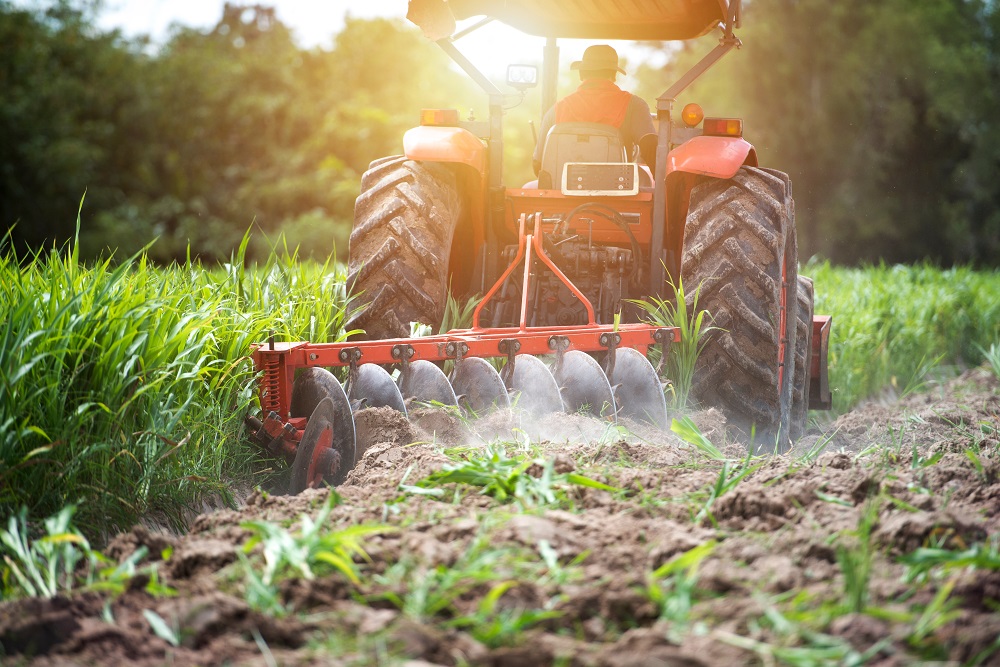
    Some owners explore machinery options from sources like Lilly Kubota when evaluating tractors, attachments, or field implements. Regular inspections and maintenance schedules ensure your equipment remains in strong working condition throughout the year. When older machines start slowing down your workflow, timely upgrades can bring noticeable improvements in efficiency. With dependable equipment supporting your daily operations, you can focus more on growth and less on mechanical setbacks.

    Farming News Updates That Keep You Ahead of Changes

    Keeping up with farming news ensures you stay ahead of industry changes that could directly affect your production, finances, or long-term plans. News updates offer valuable insights on market trends, technological advancements, and agricultural policy changes that shape day-to-day operations.

    Many farmers turn to reliable sources like Lancaster Farming to stay informed about new methods, events, and emerging challenges across the industry. Following credible updates also helps you anticipate weather shifts, supply shortages, and price fluctuations before they disrupt your workflow. These insights can guide your planting schedules, livestock care decisions, and harvest timing for more predictable outcomes.

    Staying informed connects you with a larger farming community that shares knowledge and practical experience. With the right information at your fingertips, you make decisions with confidence and reduce the uncertainty that often accompanies modern farming.

    Technology and Digital Tools That Reduce Manual Work

    Technology has become a powerful ally for farm owners who want to streamline operations and reduce repetitive tasks. Farm management apps provide real-time tracking for crops, livestock, inventory, and labor, making it easier to coordinate and monitor your entire operation. GPS-guided tractors and machinery increase accuracy, reduce waste, and optimize fuel use during planting and harvesting.

    Many farms also use drones to assess crop health, identify irrigation needs, and monitor land conditions without spending hours walking fields. Digital recordkeeping eliminates the need for paper logs and helps you track patterns, productivity, and performance over time. While technology cannot replace traditional farming knowledge, it enhances decision-making and adds precision to daily tasks. By integrating the right tools, you reduce manual work and gain better control over your farm’s long-term performance.

    Reliable Labor and Skill Development for the Long Run

    Having a dependable workforce is essential for maintaining smooth farm operations, especially during busy seasons when every hand counts. Hiring individuals who enjoy working outdoors and understand the rhythm of farm life builds a more committed and reliable team. Offering training opportunities helps workers feel confident using equipment, handling livestock, or managing specific tasks with care and safety. Clear and consistent communication reduces errors and keeps everyone aligned with your goals and expectations.

    As your operation grows, you may need to hire additional workers or reorganize responsibilities to boost efficiency. Investing in your team encourages loyalty, strengthens trust, and improves daily performance. A skilled, motivated workforce becomes one of your most valuable assets in keeping operations productive and stress-free.

    A Flexible Financial Plan That Supports Farm Stability

    A strong financial plan gives your farm stability by preparing you for both routine expenses and unpredictable events. Budgeting for equipment, feed, repairs, and labor ensures you can handle day-to-day operations without unnecessary financial strain. Setting aside emergency funds helps you respond to weather changes, crop failures, or sudden price shifts with confidence.

    Tracking income from crops, livestock, and value-added products gives you a clearer picture of which areas are driving the most revenue. Using financial planning software or digital tools can simplify bookkeeping, reduce errors, and improve long-term forecasting. Regularly reviewing your financial performance allows you to adjust strategies before small issues become bigger problems. With a flexible and well-managed financial plan, your farm becomes more resilient and prepared for long-term growth.

    Conclusion

    Maintaining a productive and stress-free farm doesn’t happen by chance—it comes from thoughtful planning, reliable tools, and continuous learning. High-performance equipment and updated technology help streamline your workload and reduce unexpected challenges. Staying informed through trustworthy farming news sources strengthens your decision-making and keeps you ahead of industry changes.

    A dependable team and solid financial planning add another strong layer of stability to your operations. By bringing all these elements together, you create an efficient environment where daily tasks run smoothly and predictably. Farming will always present challenges, but with the right systems in place, those challenges become easier to manage. When everything works in harmony, your farm can grow stronger, more sustainable, and more successful year after year.

Design a site like this with WordPress.com
Get started