Tag: technology

  • Advanced System Every Retail Business Owner Needs to Adapt for Long-Term Success

    Advanced System Every Retail Business Owner Needs to Adapt for Long-Term Success

    Running a successful retail business today is no longer just about having great products or a prime location. Technology, customer expectations, and operational efficiency all play a critical role in sustaining growth. Retail business owners who adapt to advanced systems are better positioned to meet evolving demands and stay competitive.

    From streamlining transactions to enhancing customer experiences, the right systems can transform how a store operates. This blog explores the key systems every retail business owner should consider implementing for long-term success. Each system discussed has practical benefits and can make a measurable impact on both revenue and efficiency. Adapting early allows retailers to stay ahead of competitors and future-proof their operations.

    Inventory Management Systems

    Efficient inventory management is a backbone for retail success, helping avoid stockouts or overstock situations. Modern systems track products in real time, alerting owners when inventory levels are low. They also analyze sales trends to forecast demand, making purchasing more precise and cost-effective.

    Integrating inventory systems with point-of-sale platforms streamlines operations and reduces human error. Retailers can also improve customer satisfaction by ensuring popular items are always available. Cloud-based systems allow owners to monitor multiple locations from anywhere. Long-term, these tools reduce waste, save money, and improve overall profitability.

    Customer Relationship Management (CRM) Software

    CRM software helps retailers understand their customers’ needs, preferences, and buying behavior. By collecting and analyzing data, businesses can personalize marketing campaigns and improve customer loyalty. Automated follow-ups, promotions, and reminders keep customers engaged and coming back.

    CRM systems also provide insights into which products or services are most appealing. Staff can use these tools to offer a more tailored in-store experience. Over time, this technology strengthens brand reputation and encourages repeat business. For retail owners, a strong CRM strategy is a critical component of sustainable growth.

    Point-of-Sale (POS) Systems

    Modern POS systems do far more than just process payments—they integrate inventory, sales, and customer data in one platform. This allows retailers to make informed decisions quickly and reduce manual administrative work. Many POS systems now support mobile payments, gift cards, and digital receipts, providing flexibility for customers. They can generate detailed reports on sales trends, peak hours, and product performance.

    Staff efficiency improves as routine tasks become automated, freeing them to focus on customer service. Advanced POS solutions also reduce errors and help with regulatory compliance. For long-term success, having a robust POS system is essential for smooth operations.

    Self-Service Machines and Kiosks

    Self-service machines and kiosks have revolutionized the retail experience, providing customers with faster, more convenient transactions. They reduce wait times, improve order accuracy, and free up staff to focus on personalized service. These machines can handle a variety of tasks, from payments to product information, enhancing the overall shopping experience. Many retailers have seen increased sales simply by making checkout and information retrieval more accessible.

    Investing in quality kiosks can be seamless, especially when working with a trusted supplier like Financial Equipment Company, which offers advanced solutions for modern stores. Training staff to support and maintain these machines ensures smooth daily operations. Overall, kiosks are a long-term investment that benefits both customers and business efficiency.

    Employee Scheduling and Management Tools

    Managing staff effectively is crucial for maintaining service quality and controlling labor costs. Scheduling tools automate shift planning, track attendance, and help avoid overstaffing or understaffing issues. These systems can also streamline payroll, track performance, and manage time-off requests efficiently. Employees benefit from self-service options to swap shifts or check schedules.

    Retailers gain real-time visibility into labor allocation, ensuring the right number of staff is available at peak hours. Properly implemented, these tools improve employee satisfaction and reduce turnover. Long-term, effective workforce management contributes directly to operational stability and customer satisfaction.

    Digital Marketing Platforms

    In today’s retail landscape, digital marketing is not optional—it’s necessary for long-term growth. Platforms for email campaigns, social media, and online ads allow retailers to reach target audiences effectively. Analytics tools help track campaign performance and adjust strategies for maximum impact.

    Integrating marketing platforms with CRM and POS systems ensures consistent messaging and personalized offers. This approach drives traffic both online and in-store. Regular engagement builds brand loyalty and keeps customers informed of new products or promotions. Retailers who adapt digital marketing strategies stay competitive in an increasingly online-driven marketplace.

    Conclusion

    Adapting advanced systems is no longer a luxury for retail business owners; it’s a necessity for long-term success. Self-service kiosks, inventory management, CRM software, POS systems, employee scheduling tools, and digital marketing platforms all contribute to operational efficiency and customer satisfaction. Implementing these systems ensures businesses remain agile, responsive, and ready for future challenges.

    By investing in technology and training staff to use it effectively, retailers can maintain a competitive edge. Staying proactive in adapting advanced systems ultimately strengthens brand reputation and drives growth. Every retail owner who embraces these solutions positions their business for sustainable success.

  • What You Really Need to Maintain Productive and Stress-Free Farm Operations

    What You Really Need to Maintain Productive and Stress-Free Farm Operations

    Running a farm successfully requires a combination of planning, dependable tools, and the ability to adapt to shifting conditions. Even the most experienced farm owners face challenges, but having the right systems in place makes those challenges far more manageable. Today’s farming environment moves quickly, influenced by technology, market changes, weather patterns, and evolving agricultural practices.

    That’s why creating a strong foundation for your operations is essential for long-term productivity and peace of mind. From reliable equipment to consistent access to farming news, every component plays a vital role in keeping your workflow steady. Understanding what to prioritize can save you time, reduce stress, and keep your farm performing at its best. With a clear approach, you can focus more on growth and less on daily disruptions.

    Efficient Workflow Planning for Daily Farm Success

    Efficient workflow planning is the foundation of a well-structured farm, helping you stay ahead of daily demands instead of constantly reacting to them. It begins with outlining every routine task so you can easily spot delays or inefficiencies that might disrupt your schedule. Creating a structured weekly plan allows you to prioritize critical activities such as feeding, irrigation, and equipment checks in a logical order.

    Many owners find value in grouping similar tasks together to reduce travel time, fuel usage, and unnecessary labor. Planning also involves adjusting routines depending on seasons, crop cycles, and livestock needs to maintain a steady pace throughout the year. While challenges are inevitable, a clear plan makes them far easier to handle and keeps morale high. With organized workflows in place, you gain more control, reduce stress, and create a smoother, more predictable farming environment.

    High-Performance Equipment for Reliable Field Productivity

    High-performance equipment is one of the biggest contributors to a reliable and productive farm, especially when you depend on consistent output. Machines built for durability and efficiency save you from costly downtime and unexpected repairs that interrupt your operations. Choosing the right equipment often means working with reputable suppliers who can help match your needs with the proper models.

    Some owners explore machinery options from sources like Lilly Kubota when evaluating tractors, attachments, or field implements. Regular inspections and maintenance schedules ensure your equipment remains in strong working condition throughout the year. When older machines start slowing down your workflow, timely upgrades can bring noticeable improvements in efficiency. With dependable equipment supporting your daily operations, you can focus more on growth and less on mechanical setbacks.

    Farming News Updates That Keep You Ahead of Changes

    Keeping up with farming news ensures you stay ahead of industry changes that could directly affect your production, finances, or long-term plans. News updates offer valuable insights on market trends, technological advancements, and agricultural policy changes that shape day-to-day operations.

    Many farmers turn to reliable sources like Lancaster Farming to stay informed about new methods, events, and emerging challenges across the industry. Following credible updates also helps you anticipate weather shifts, supply shortages, and price fluctuations before they disrupt your workflow. These insights can guide your planting schedules, livestock care decisions, and harvest timing for more predictable outcomes.

    Staying informed connects you with a larger farming community that shares knowledge and practical experience. With the right information at your fingertips, you make decisions with confidence and reduce the uncertainty that often accompanies modern farming.

    Technology and Digital Tools That Reduce Manual Work

    Technology has become a powerful ally for farm owners who want to streamline operations and reduce repetitive tasks. Farm management apps provide real-time tracking for crops, livestock, inventory, and labor, making it easier to coordinate and monitor your entire operation. GPS-guided tractors and machinery increase accuracy, reduce waste, and optimize fuel use during planting and harvesting.

    Many farms also use drones to assess crop health, identify irrigation needs, and monitor land conditions without spending hours walking fields. Digital recordkeeping eliminates the need for paper logs and helps you track patterns, productivity, and performance over time. While technology cannot replace traditional farming knowledge, it enhances decision-making and adds precision to daily tasks. By integrating the right tools, you reduce manual work and gain better control over your farm’s long-term performance.

    Reliable Labor and Skill Development for the Long Run

    Having a dependable workforce is essential for maintaining smooth farm operations, especially during busy seasons when every hand counts. Hiring individuals who enjoy working outdoors and understand the rhythm of farm life builds a more committed and reliable team. Offering training opportunities helps workers feel confident using equipment, handling livestock, or managing specific tasks with care and safety. Clear and consistent communication reduces errors and keeps everyone aligned with your goals and expectations.

    As your operation grows, you may need to hire additional workers or reorganize responsibilities to boost efficiency. Investing in your team encourages loyalty, strengthens trust, and improves daily performance. A skilled, motivated workforce becomes one of your most valuable assets in keeping operations productive and stress-free.

    A Flexible Financial Plan That Supports Farm Stability

    A strong financial plan gives your farm stability by preparing you for both routine expenses and unpredictable events. Budgeting for equipment, feed, repairs, and labor ensures you can handle day-to-day operations without unnecessary financial strain. Setting aside emergency funds helps you respond to weather changes, crop failures, or sudden price shifts with confidence.

    Tracking income from crops, livestock, and value-added products gives you a clearer picture of which areas are driving the most revenue. Using financial planning software or digital tools can simplify bookkeeping, reduce errors, and improve long-term forecasting. Regularly reviewing your financial performance allows you to adjust strategies before small issues become bigger problems. With a flexible and well-managed financial plan, your farm becomes more resilient and prepared for long-term growth.

    Conclusion

    Maintaining a productive and stress-free farm doesn’t happen by chance—it comes from thoughtful planning, reliable tools, and continuous learning. High-performance equipment and updated technology help streamline your workload and reduce unexpected challenges. Staying informed through trustworthy farming news sources strengthens your decision-making and keeps you ahead of industry changes.

    A dependable team and solid financial planning add another strong layer of stability to your operations. By bringing all these elements together, you create an efficient environment where daily tasks run smoothly and predictably. Farming will always present challenges, but with the right systems in place, those challenges become easier to manage. When everything works in harmony, your farm can grow stronger, more sustainable, and more successful year after year.

  • What Role Does Encryption Play in ATM Security?

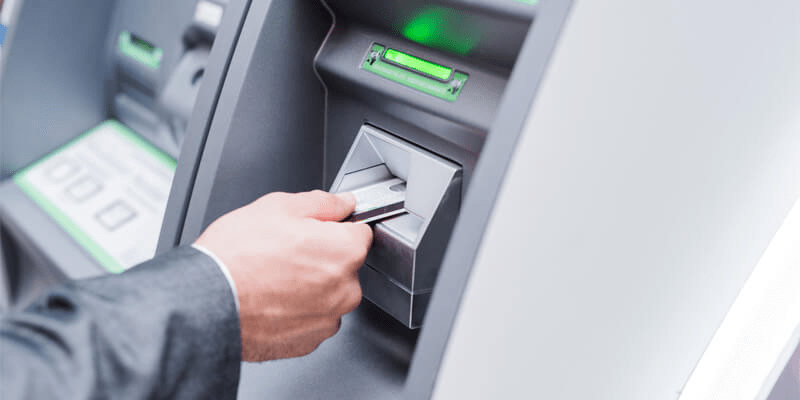
    When you walk up to an ATM to withdraw cash, the last thing on your mind is probably cybersecurity. But behind the scenes, a complex web of encryption technology is working to keep your personal and financial information safe. So, what role does encryption play in ATM security? The answer: a vital one.

    The Basics of ATM Encryption

    Encryption is a cybersecurity method that encodes data to prevent unauthorized access. In the context of ATM security, it’s used to secure sensitive information like your PIN, card number, and transaction details. Without encryption, this data could easily be intercepted by cybercriminals through methods like skimming devices, malware, or even unsecured network connections.

    Types of Encryption Used in ATMs

    1. Point-to-Point Encryption (P2PE): This form of encryption begins the moment you enter your PIN on the keypad. The information is encrypted immediately and stays encrypted until it reaches a secure endpoint, typically the bank’s data processing center.
    2. End-to-End Encryption (E2EE): E2EE protects data throughout the entire transaction journey—from the ATM to the financial institution—ensuring that no one can tamper with or steal the information along the way.
    3. Triple DES and AES: These encryption algorithms are industry standards for ATM security. Triple DES (Data Encryption Standard) and AES (Advanced Encryption Standard) help encode sensitive information so that only authorized systems can decrypt and understand it.

    Why Encryption Matters for ATM Security

    ATM attacks have become increasingly sophisticated. From card skimming to man-in-the-middle attacks, hackers have developed numerous techniques to compromise machines. Encryption is a frontline defense that not only secures user data but also helps financial institutions comply with regulations like PCI DSS (Payment Card Industry Data Security Standard).

    Without strong encryption protocols, ATMs would be vulnerable to data breaches, which can result in financial loss and reputational damage for banks and ATM service providers.

    The Future of ATM Encryption

    As technology evolves, so does the need for stronger security. Biometric verification, chip card technology, and contactless payments are all becoming more common. Each of these innovations still relies on encryption to ensure secure transactions.

    Moreover, real-time monitoring and AI-driven fraud detection systems are now being integrated with encryption to proactively identify and stop threats.

    Conclusion

    So, what role does encryption play in ATM security? It’s not just a technical add-on—it’s the foundation of safe, trustworthy transactions. From the moment you insert your card to when you receive your cash, encryption is working quietly in the background to protect you.

    Need Secure and Compliant ATM Services?

    At Atlantic Processing, we specialize in cutting-edge ATM solutions with advanced encryption and fraud prevention built-in. If you’re looking to upgrade your ATM network or ensure compliance with the latest security standards, contact us today for a consultation!

    This post was written by a professional at Atlantic Processing. Atlantic Processing, headquartered in the Tampa Bay area, is a leading national ATM processing and service provider. We specialize in comprehensive ATM placements, processing, sales, and service, catering to retail and financial institutions across the United States. Our commitment to excellence and customer satisfaction ensures that our clients receive top-tier service and support. Whether you need a new ATM installation, efficient processing solutions, or reliable maintenance, Atlantic Processing is your trusted partner in keeping your ATM operations running smoothly and efficiently. Click here to learn more!

  • How to Choose the Right Air Conditioning Service: Key Qualities to Look For

    How to Choose the Right Air Conditioning Service: Key Qualities to Look For

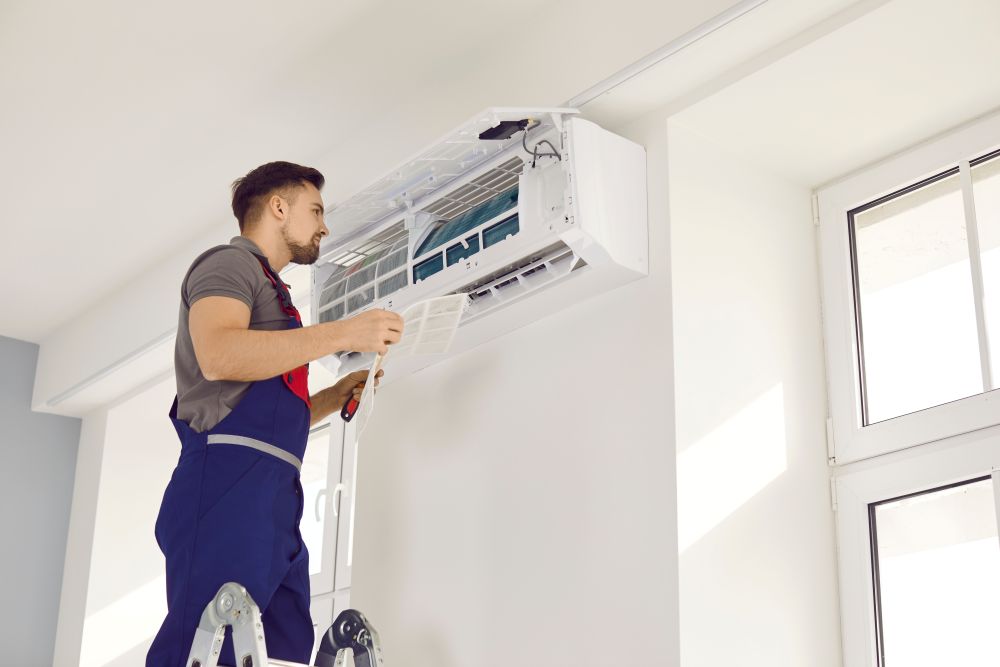
    When it comes to staying comfortable in hot weather, a dependable air conditioning service is a must. Whether you’re installing a new system or maintaining an existing one, choosing the right company can save you time, money, and future headaches. 

    With so many options out there, how do you narrow down your choices? It’s not just about the price—it’s about the level of service, expertise, and support you’ll receive. From credentials to customer service, there are clear signs of a trustworthy AC provider. This guide covers the top qualities you should look for when making your decision. Let’s break it down to help you stay cool without the stress.

    Proper Licensing and Certification

    The first thing you should check is whether the company is licensed and certified. This ensures the technicians are trained according to state or local regulations and safety standards. A licensed company is also more likely to be insured, protecting you from liability in case of accidents. You can ask to see proof of certification or check with your local licensing authority. 

    Don’t be shy about confirming credentials—it’s your right as a customer. A reputable company will have no problem showing that their staff meets the necessary qualifications. When you’re hiring someone to work on your home, professional credentials matter more than you might think.

    Experience and Technical Expertise

    Years in the business often indicate stability and knowledge. While newer companies can be great, those with more experience tend to have seen—and fixed—it all. Technicians with technical expertise will be better equipped to diagnose issues quickly and accurately. Look for services that handle a wide range of systems and brands. 

    It’s also helpful if they offer both residential and commercial solutions, showing flexibility and know-how. When a technician explains your problem clearly and offers smart solutions, that’s a sign of true expertise. You’ll feel more confident when your system is in capable hands.

    Transparent Pricing and Written Estimates

    Before you agree to any work, you should be given a clear, written estimate. The best air conditioning services will break down labor, parts, and any additional costs, so there are no surprises later. 

    You should also ask if they charge by the job or by the hour. Transparency in pricing shows that a company respects its customers and values honesty. It also helps you compare multiple providers fairly. Knowing what you’re paying for gives peace of mind and avoids future disputes.

    Good Reputation and Customer Reviews

    Online reviews and word-of-mouth recommendations can tell you a lot about a company. A high rating and consistently positive feedback are good indicators of reliable service. Pay attention to what people say about punctuality, professionalism, and how problems were handled. Look beyond just the star ratings—read the actual comments for details. 

    If a company has mostly good reviews and responds respectfully to complaints, that’s a positive sign. Don’t hesitate to ask your neighbors or friends for recommendations too. Choosing a company with a solid reputation is one of the safest ways to ensure quality service.

    Fast Response Time and Flexible Scheduling

    When your air conditioner breaks down, you don’t want to wait days for a technician to show up. Timely service is especially important in extreme heat. Look for providers that offer same-day or next-day appointments, and have good communication about arrival times. Some companies also offer 24/7 emergency service, which can be a lifesaver during unexpected breakdowns. 

    Flexible scheduling, including evenings or weekends, is another big plus. It shows the company values your time and convenience. Quick responses and flexible service options make a big difference, especially when comfort is on the line.

    Skilled in Repair, Service, and Installation

    A well-rounded company should be able to handle not just repairs, but also regular maintenance and new installations. Some companies may specialize in only one area, but having one provider for all your needs can save time and build trust. Routine service can extend the life of your system and improve energy efficiency. 

    Reliable technicians will also help you understand when it’s time to replace rather than repair. A company skilled in all areas can provide better advice and service continuity. Many service providers, like Air Kare LLC offer air conditioner repair, maintenance, and installation in one place, making it easier for homeowners to address a variety of cooling needs with a single contact. Having access to a single provider for different types of HVAC work can also improve consistency and save time when issues arise. 

    Clear Communication and Customer Support

    Great customer service goes beyond just fixing the issue—it’s about the whole experience. From the first phone call to the final follow-up, good communication helps set expectations and build trust. You should feel comfortable asking questions and confident that you’ll get honest answers. 

    Look for companies that are courteous, responsive, and willing to explain your options clearly. A helpful support team shows that the company values its customers, not just the bottom line. Whether it’s scheduling a visit or following up after a repair, strong communication makes everything smoother. In the end, how you’re treated matters just as much as the technical work itself.

    Conclusion

    Choosing the right air conditioning service doesn’t have to be overwhelming. Focus on companies that are licensed, experienced, honest, and communicative. Check reviews, compare estimates, and trust your instincts. Whether it’s a quick fix or a full system installation, finding the right partner can make a huge difference in your comfort—and your budget.

Design a site like this with WordPress.com
Get started