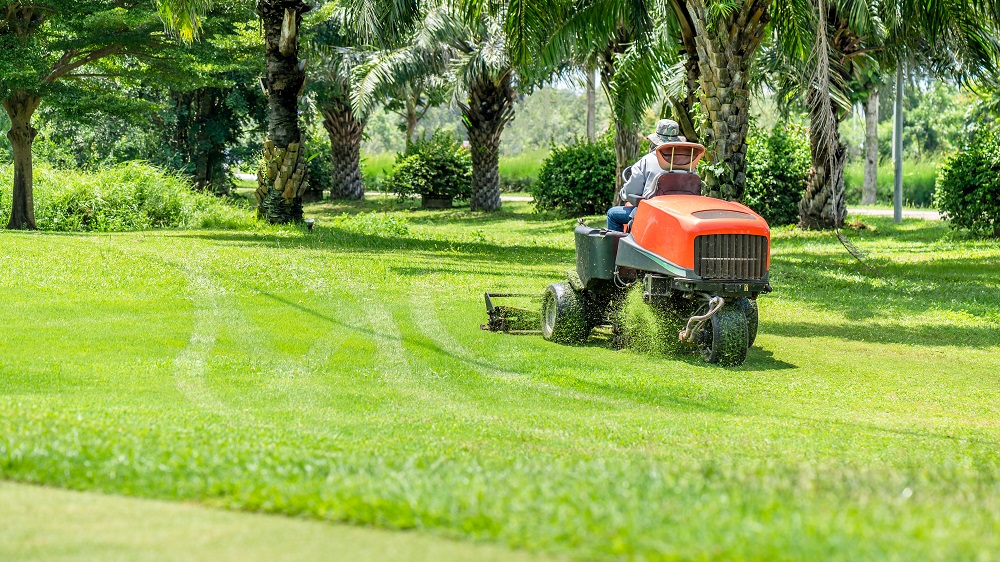
Choosing the right commercial mower is an important decision for landscaping professionals and property maintenance teams. The right equipment helps manage large areas of grass and keep routine mowing tasks on schedule. However, not every mower suits every property or type of work. Factors such as cutting performance, durability, comfort, and maintenance requirements all influence how well a mower performs in daily use.
Understanding these considerations makes it easier to compare available models and find equipment that fits your workload. A careful evaluation also helps you make a practical investment that serves your business for years to come.
Consider the Size and Type of Property
The properties you maintain should guide your choice of commercial mower. Large, open lawns often benefit from wide cutting decks that cover more ground with each pass. Smaller commercial spaces with narrow pathways, landscaped beds, or tight corners may require a more compact machine with better maneuverability. You should also consider the terrain, since sloped ground and obstacles affect how easily you operate the mower.
For properties with a mixture of open grass and confined areas, versatility becomes especially important. Think about the locations you service most often rather than choosing a mower based on cutting width alone. Matching the equipment to your usual working conditions helps you maintain efficiency without sacrificing control.
Evaluate Cutting Performance and Deck Size
Cutting performance directly affects the appearance of the lawns you maintain and the time required to finish each job. A wider cutting deck generally covers more ground per pass, making it useful for expansive properties with few obstacles. However, a smaller deck may provide better access around trees and other landscape features.
Pay attention to the mower’s cutting height adjustments and ability to handle different grass conditions. Some properties require frequent trimming, while others have thicker grass that places greater demands on the cutting system. Consider how easily the machine produces an even finish across the surfaces you typically maintain. The goal is to find a balance between coverage and the quality of the cut your customers expect.
Compare Engine Power and Fuel Efficiency
Engine performance influences how well a commercial mower handles demanding workloads. A machine with suitable power should manage your usual grass conditions without struggling during routine operation.
When comparing available models, you can review options from equipment dealers like Lilly Kubota and consider their engine specifications alongside cutting deck size and intended applications. Fuel efficiency also matters because landscaping crews may operate their equipment for several hours each day. A mower that uses fuel efficiently helps control operating expenses, particularly when you maintain multiple properties.
Battery-powered commercial models may also suit certain businesses’ charging requirements, and battery capacity deserves careful consideration. Compare the available options based on your daily schedule and access to fuel or charging facilities.
Check Durability and Build Quality
Commercial mowers often face heavier use than residential models, so durability should be a priority. Examine the cutting deck, frame, wheels, and other major components for sturdy construction that suits your working conditions. Materials and component quality influence how well the mower handles repeated use across different properties.
It is also worth checking how exposed parts resist wear from grass and other debris. Ask about the expected service life of important components and the manufacturer’s recommended maintenance schedule. If possible, inspect the mower in person to assess its construction and overall design. Choosing a well-built machine reduces avoidable interruptions and helps your equipment remain dependable throughout busy landscaping seasons.
Prioritize Operator Comfort and Safety
Comfort becomes increasingly important when you spend long hours mowing commercial properties. An uncomfortable seat, poorly positioned controls, or excessive vibration make a full workday more tiring than necessary. Look for ergonomic controls and a seating position that supports good posture. If you use a stand-on or walk-behind mower, consider how its design affects movement and control during extended jobs.
Safety features also deserve close attention, including appropriate blade controls, braking systems, protective components, and clear operating instructions. Check that the mower offers suitable handling for the slopes and obstacles found on your regular properties. A comfortable, well-designed machine helps operators work with greater control while reducing unnecessary strain.
Review Maintenance Requirements and Service Access
Routine maintenance plays a major role in keeping commercial mowing equipment ready for work. Before purchasing, find out how often the mower needs oil changes, blade sharpening, filter replacements, and other scheduled servicing.
Easy access to service points simplifies these tasks and reduces the time equipment spends out of operation. Check whether replacement parts are readily available and if qualified technicians in your area service the model. You should also review the warranty terms and understand which components or repairs it covers.
A mower with straightforward maintenance requirements may be more practical for a busy landscaping business than a model that requires specialized servicing for routine tasks. Include these ongoing responsibilities in your purchasing decision rather than focusing only on the initial price.
Consider the Total Cost of Ownership
Purchase price is only one part of the cost of owning a commercial mower. Fuel or electricity, replacement blades, filters, repairs, and scheduled maintenance all contribute to its long-term expenses. You should also account for downtime, since an unavailable mower affects job schedules and crew productivity.
A less expensive model may appear attractive initially, but frequent repairs or poor performance could increase its overall cost. On the other hand, a higher-priced machine is not automatically the better choice if its features exceed your actual needs. Compare similar models using their specifications and warranty coverage, along with maintenance requirements and expected workload. This approach helps you evaluate the value of each option based on practical business needs rather than price alone.
Choose Equipment That Fits Your Business
The best commercial mower is one that matches your properties and maintenance capabilities. Before making a decision, list your most common mowing tasks and identify the features that matter most for completing them efficiently. Consider how the machine will perform during your busiest periods and how easily your team can maintain it.
It also helps to plan for your wider equipment needs, including suitable commercial landscape supplies and routine maintenance materials. If possible, ask about demonstrations so you can assess the mower’s handling and comfort before purchasing. Taking time to compare your options helps you choose equipment that supports consistent service and dependable day-to-day operation.
Conclusion
Choosing the right commercial mower comes down to finding equipment that meets your daily needs without exceeding your budget. By comparing performance, durability, comfort, and maintenance requirements, you can make a more informed decision. The right mower helps your team maintain professional-looking landscapes while keeping routine work manageable.


Leave a Reply